About Us
We believe in empowering our clients with financial knowledge and confidence to help them pursue their life goals. Using customized, goal-oriented investment strategies, we will work with you to create a strategy that works for you.

Your Goals and Dreams, Our Guidance
You are pursuing your financial goals and deserve someone who can help you with advice and guidance. We are here to listen and help you plan for your future with confidence. We are backed by the resources, expertise, and investment selection of one of the nation’s most recognized financial services companies. Let us help you develop an investment strategy that is flexible and tracks your goals.

Our Commitment to You
We work hard to serve our clients’ best interests through careful planning and transparent actions. When working with us, you’ll know the reasons for our recommendations and any fees associated with them. You’ll receive timely attention when you have a concern or question. And we can work together in person, by phone, or via email – whichever works best for you.
Why Invest With Us
Your financial needs and goals are uniquely your own. When investing or working with us, you’ll benefit from a flexible, customizable planning approach and the support of a company dedicated to helping investors thrive and succeed.
Meet Your Advisors
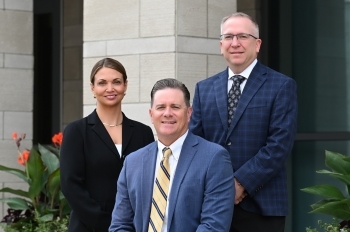
Our team is made of professionals with many combined years of experience helping create solutions for complex wealth needs.

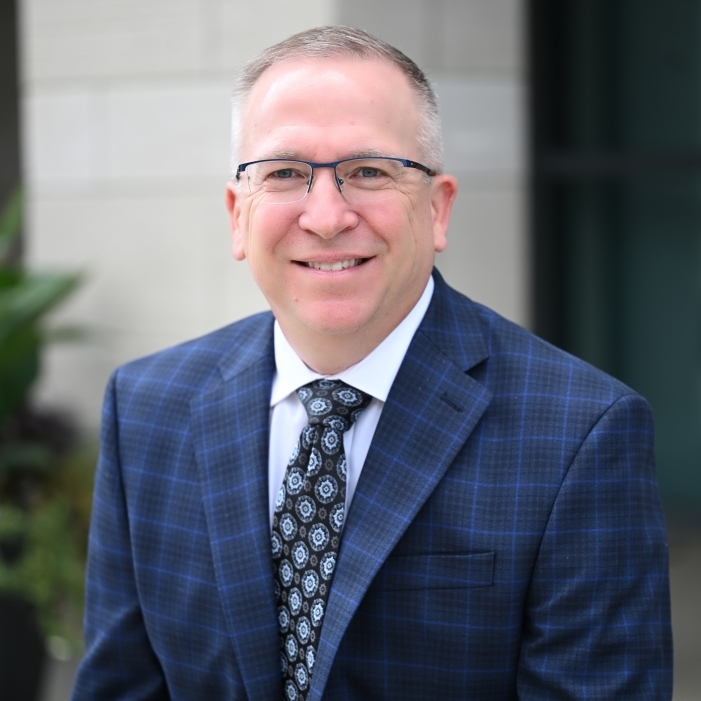

Mark Hetrick
Financial Advisor
Senior Vice President - Investments

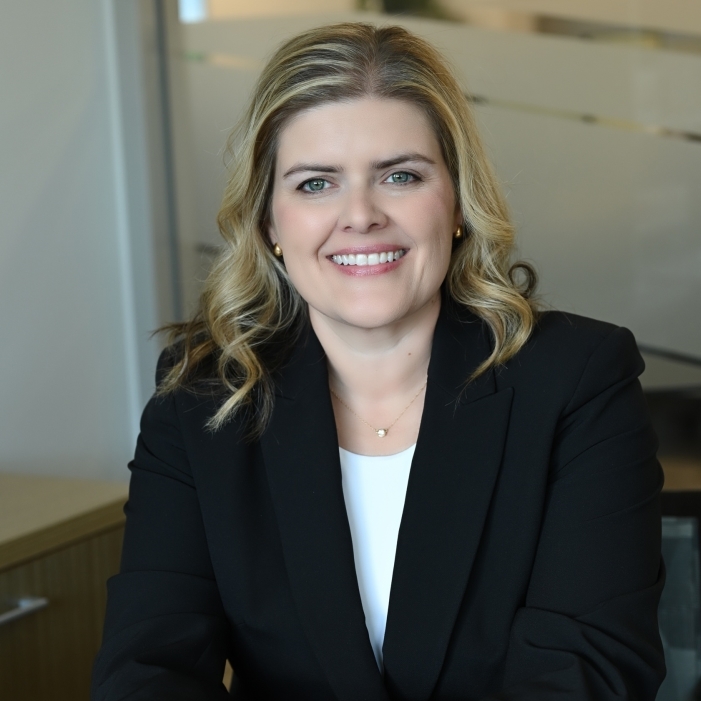
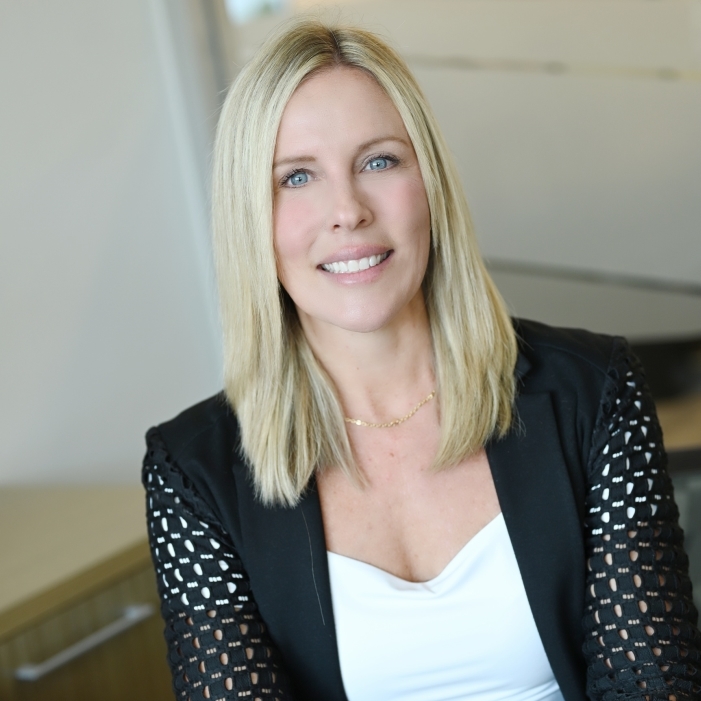
Tamara “Tammie” Bond
Senior Registered Client Associate
Meet Who Can Help You
Once we learn more about your goals, we’ll pair you with team members who are best suited to serve your specific needs.
What We Do
Our Services
Our Advisory Services can help you save time managing investments. Find out how we can offer financial guidance and help you keep up with the markets. Our programs allow flexibility in how much your professional portfolio manager does for you or with you.
Developing your investment plan includes choosing which products and services might help you meet your financial goals. Review some of the selections we offer to our clients. We can discuss what might work for your situation and help you as you work toward achieving your goals.
Everyone could use an estate plan. It’s not about what you own – but putting you in control. Here’s some helpful information to think about and get started.
- Developing your retirement income strategy is part of the planning process.
- We can help you analyze possible expenses and sources of income.
- Checking on your strategy annually can help you maintain course.
It starts with a plan
Creating a plan can help you stay focused, plan for challenges ahead, and make choices that work for you.Our investment planning process is the foundation we use to develop your retirement income plan. It can help you make choices and tackle the following topics:
- When and how can I retire with confidence?
- How can I help make my money last as long as I’m retired?
- Where will my income come from?
- How do I prepare for and respond to events throughout retirement?
- When and how should I address my legacy goals?
7 common retirement planning moves
Will the money in your investment accounts last through retirement? Here are some steps that go beyond the basics of using tax-advantaged funds and making regular contributions.- Review your portfolio - Conduct regular investment checkups on your own and with us.
- Maintain emergency savings - Wells Fargo Advisors recommends keeping an emergency fund with enough money to cover living expenses for three to six months. Keep emergency funds in a liquid account you can easily access if needed.
- Set an appropriate asset allocation - Investments are fluid. Some are more volatile, but all can be affected by market fluctuations. Adjust your assets to align with your current goals and tolerance for risk.
- Itemize your income plan - Understand where your retirement funds will come from. List out all sources, such as Social Security and pensions. For each item, list how it might generate income for your portfolio.
- Clean up your accounts - Consider consolidating accounts. You’ll not only have less paperwork, you can help keep an eye on your asset allocation and overall investment strategy. We can talk about your choices and what might make the most sense for you. Before taking any action, speak with your current retirement plan administrator and tax professional.
- Sell assets strategically - Selling assets can have tax implications. Proceeds could nudge you into a higher tax bracket. Balance the concern of minimizing taxes when you’re selling assets with your portfolio’s allocation strategy. Talk with us about the choices you have in this situation.
- Talk with family - Partners and spouses should be on the same page regarding your financial portfolio. Cover some key financial details:
- Current total assets
- How much you have saved right now
- How much is in each account
- Where the funds are located
- Your budget
Common risks to address
While we develop your retirement plan, you’ll want to look at risks such as inflation, market events, health needs, withdrawal strategy, and how long you’re likely to live. Understanding the impact these challenges may have on your savings and planning for them can help you stay the course. Have an ongoing process
Planning for retirement is not a “one and done” kind of activity. A good plan should be checked regularly and adjusted, as necessary. Keep an eye on your portfolio, talk about your expectations, and prepare for the unexpected.Schedule an annual checkup with us to review your plans, your current circumstances, and your portfolio. We’ll work together to discuss your choices and what works for you.
Next steps
- Think about what you hope your retirement will be.
- Write down all your possible sources of income and expenses in retirement.
- Take a look at your portfolio and call us if you have any questions about changing your asset allocation.
- Call us to start on your personalized retirement income plan.
Wells Fargo & Company and its affiliates do not provide tax or legal advice. This communication cannot be relied upon to avoid tax penalties. Please consult your tax and legal advisors to determine how this information may apply to your own situation. Whether any planned tax result is realized by you depends on the specific facts of your own situation at the time your tax return is filed.
Investing involves risk including the possible loss of principal. Asset allocation cannot eliminate the risk of fluctuating prices and uncertain returns. Diversification does not guarantee profit or protect against loss in declining markets. Stocks offer long-term growth potential, but may fluctuate more and provide less current income than other investments. An investment in the stock market should be made with an understanding of the risks associated with common stocks, including market fluctuations. Dividends are not guaranteed and are subject to change or elimination.
Our Advisory Services can help you save time managing investments. Find out how we can offer financial guidance and help you keep up with the markets. Our programs allow flexibility in how much your professional portfolio manager does for you or with you.
Developing your investment plan includes choosing which products and services might help you meet your financial goals. Review some of the selections we offer to our clients. We can discuss what might work for your situation and help you as you work toward achieving your goals.
Everyone could use an estate plan. It’s not about what you own – but putting you in control. Here’s some helpful information to think about and get started.
- Developing your retirement income strategy is part of the planning process.
- We can help you analyze possible expenses and sources of income.
- Checking on your strategy annually can help you maintain course.
It starts with a plan
Creating a plan can help you stay focused, plan for challenges ahead, and make choices that work for you.Our investment planning process is the foundation we use to develop your retirement income plan. It can help you make choices and tackle the following topics:
- When and how can I retire with confidence?
- How can I help make my money last as long as I’m retired?
- Where will my income come from?
- How do I prepare for and respond to events throughout retirement?
- When and how should I address my legacy goals?
7 common retirement planning moves
Will the money in your investment accounts last through retirement? Here are some steps that go beyond the basics of using tax-advantaged funds and making regular contributions.- Review your portfolio - Conduct regular investment checkups on your own and with us.
- Maintain emergency savings - Wells Fargo Advisors recommends keeping an emergency fund with enough money to cover living expenses for three to six months. Keep emergency funds in a liquid account you can easily access if needed.
- Set an appropriate asset allocation - Investments are fluid. Some are more volatile, but all can be affected by market fluctuations. Adjust your assets to align with your current goals and tolerance for risk.
- Itemize your income plan - Understand where your retirement funds will come from. List out all sources, such as Social Security and pensions. For each item, list how it might generate income for your portfolio.
- Clean up your accounts - Consider consolidating accounts. You’ll not only have less paperwork, you can help keep an eye on your asset allocation and overall investment strategy. We can talk about your choices and what might make the most sense for you. Before taking any action, speak with your current retirement plan administrator and tax professional.
- Sell assets strategically - Selling assets can have tax implications. Proceeds could nudge you into a higher tax bracket. Balance the concern of minimizing taxes when you’re selling assets with your portfolio’s allocation strategy. Talk with us about the choices you have in this situation.
- Talk with family - Partners and spouses should be on the same page regarding your financial portfolio. Cover some key financial details:
- Current total assets
- How much you have saved right now
- How much is in each account
- Where the funds are located
- Your budget
Common risks to address
While we develop your retirement plan, you’ll want to look at risks such as inflation, market events, health needs, withdrawal strategy, and how long you’re likely to live. Understanding the impact these challenges may have on your savings and planning for them can help you stay the course. Have an ongoing process
Planning for retirement is not a “one and done” kind of activity. A good plan should be checked regularly and adjusted, as necessary. Keep an eye on your portfolio, talk about your expectations, and prepare for the unexpected.Schedule an annual checkup with us to review your plans, your current circumstances, and your portfolio. We’ll work together to discuss your choices and what works for you.
Next steps
- Think about what you hope your retirement will be.
- Write down all your possible sources of income and expenses in retirement.
- Take a look at your portfolio and call us if you have any questions about changing your asset allocation.
- Call us to start on your personalized retirement income plan.
Wells Fargo & Company and its affiliates do not provide tax or legal advice. This communication cannot be relied upon to avoid tax penalties. Please consult your tax and legal advisors to determine how this information may apply to your own situation. Whether any planned tax result is realized by you depends on the specific facts of your own situation at the time your tax return is filed.
Investing involves risk including the possible loss of principal. Asset allocation cannot eliminate the risk of fluctuating prices and uncertain returns. Diversification does not guarantee profit or protect against loss in declining markets. Stocks offer long-term growth potential, but may fluctuate more and provide less current income than other investments. An investment in the stock market should be made with an understanding of the risks associated with common stocks, including market fluctuations. Dividends are not guaranteed and are subject to change or elimination.