
Working Together for Your Wellbeing

We look forward to helping you achieve your financial goals

About Us

Our team has an extensive history of wealth planning with a combined over four decades of experience focusing on service to our clients and their children for several decades to come. The Towers Capron Group of Wells Fargo Advisors is led by David Towers our Senior Vice President-Investment Officer and Jason Capron our First Vice President-Investment Officer with support from Client Associates McKenzie Gutchess and Ava Field. Together we service clients in nineteen states from New York to Florida to California. With a focus on clients including accredited investors with $ 5 million and above, we are able to distinguish ourselves from other practices with our ability, when appropriate, to utilize institutional money management, and alternative investments to potentially provide annualized returns for given levels of risk as measured by standard deviation. We also consider taxes and the income rates of our clients to provide a tax-sensitive investment strategy to help deliver unparalleled client service and a guide to lasting financial success.¹
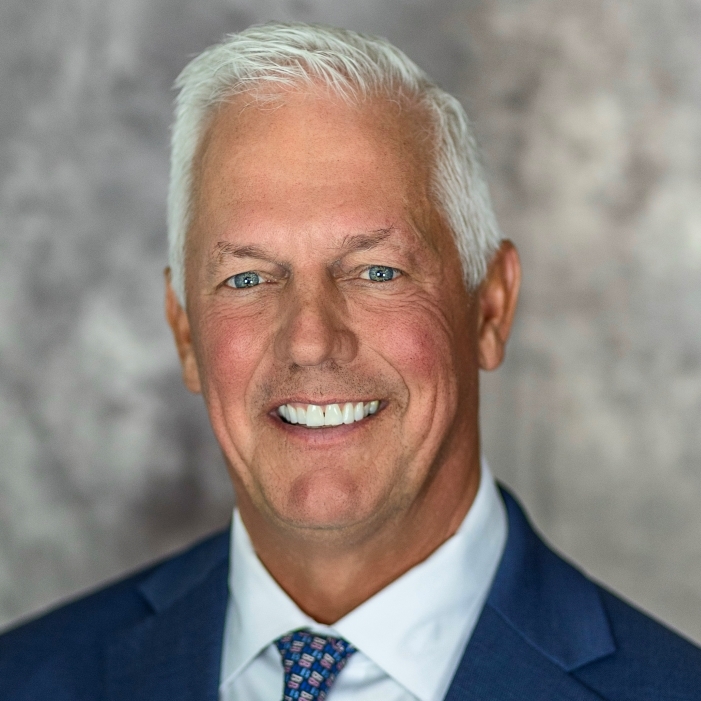
David Towers

Senior Vice President - Investment Officer

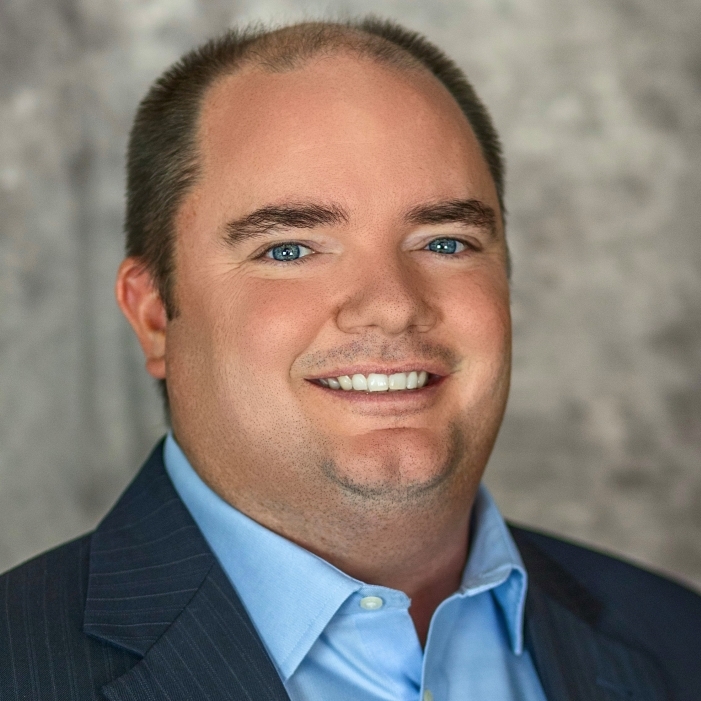
Jason Capron

First Vice President - Investment Officer

Ava Field

Client Associate

McKenzie Gutchess

Client Associate

Working Together for Your Wellbeing

We look forward to helping you achieve your financial goals.

Leave this empty:

Thank you for your submission!
¹Alternative investments, such as hedge funds, funds of hedge funds, managed futures, private capital, real assets and real estate funds, are not appropriate for all investors. They are speculative, highly illiquid, and are designed for long-term investment, and not as trading vehicle. These funds carry specific investor qualifications which can include high income and net-worth requirements as well as relatively high investment minimums. The high expenses associated with alternative investments must be offset by trading profits and other income which may not be realized. Unlike mutual funds, alternative investments are not subject to some of the regulations designed to protect investors and are not required to provide the same level of disclosure as would be received from a mutual fund. They trade in diverse complex strategies that are affected in different ways and at different times by changing market conditions. Strategies may, at times, be out of market favor for considerable periods with adverse consequences for the fund and the investor. An investment in these funds involve the risks inherent in an investment in securities and can include losses associated with speculative investment practices, including hedging and leveraging through derivatives, such as futures, options, swaps, short selling, investments in non-U.S. securities, “junk” bonds and illiquid investments. The use of leverage in a portfolio varies by strategy. Leverage can significantly increase return potential but create greater risk of loss. At times, a fund may be unable to sell certain of its illiquid investments without a substantial drop in price, if at all. Other risks can include those associated with potential lack of diversification, restrictions on transferring interests, no available secondary market, complex tax structures, delays in tax reporting, valuation of securities and pricing. An investment in a fund of funds carries additional risks including asset-based fees and expenses at the fund level and indirect fees, expenses and asset-based compensation of investment funds in which these funds invest. An investor should review the private placement memorandum, subscription agreement and other related offering materials for complete information regarding terms, including all applicable fees, as well as the specific risks associated with a fund before investing.