Saving for retirement is one skill. Spending in retirement is another. Let's plan how your savings can last.
Retirement Income Planning in Orange County
Reaching a savings number is only the start. In retirement, the questions change: How much can I spend each year? Which accounts should I draw from first? When should I claim Social Security? What happens if markets drop early in retirement?
I help you answer each one with a retirement income plan built around your actual accounts.
Get a complimentary retirement plan review
Serving individuals and families throughout Orange County.
Your complimentary retirement plan review
- ✓Your accounts mapped by how they're taxed
- ✓A suggested distribution order built around your numbers
- ✓No obligation to change anything
Distribution strategy
Your retirement distribution strategy: three tax buckets
Most retirees hold money in three types of accounts, and each is taxed differently when you take money out.
Tax-deferred
Traditional IRAs and 401(k)s
When you take distributions
Taxed as ordinary income
Tax-free
Roth IRAs and Roth 401(k)s
When you take distributions
Generally tax-free, when distributions are taken in accordance with applicable rules
Taxable
Brokerage and investment accounts
When you take distributions
Gains may qualify for lower capital gains rates
Income tax will apply to Traditional IRA distributions that you have to include in gross income. Qualified Roth IRA distributions are federally tax-free provided it has been more than five years since the Roth IRA was funded AND the owner is at least age 59½ or disabled, or using the first-time homebuyer exception, or taken by their beneficiaries due to their death. Qualified Roth IRA distributions are not subject to state and local taxation in most states. Distributions from Traditional and Roth IRAs may be subject to an IRS 10% additional tax if distributions are taken prior to age 59½.
Taking money from all three at once, or in the wrong order, can push you into a higher tax bracket. A thoughtful distribution sequence may lower the taxes you pay over the course of retirement.
See how your own accounts fit the three buckets. Get a complimentary retirement plan review →
Wells Fargo Advisors does not provide tax or legal advice.
The full picture
The other pieces of a retirement income plan
Keeping up with inflation
CDs and savings accounts offer stability, and they have a place in many retirement plans. But income that doesn't grow can lose buying power over a 20- or 30-year retirement. We balance the safety you need now with the growth you may need later.
Social Security timing
When you claim can change your lifetime benefit significantly, especially for married couples. I also review pensions, employer stock, and other benefits to see how they fit together.
Rolling over an old 401(k)
Old 401(k)s can stay where they are, move to a new employer's plan, or roll to an IRA. Each choice has different costs, investment options, and features. I'll compare them with you before you decide.
Lifetime income options
For some retirees, an annuity can provide income for life, regardless of market conditions, backed by the insurer's claims-paying ability. Annuities have costs and tradeoffs, and they aren't right for everyone. We'll decide together whether one belongs in your plan.
A retirement income plan is a good fit if…
- ✓You plan to retire within the next 10 years, or already have
- ✓Your savings are spread across 401(k)s, IRAs, and brokerage accounts
- ✓You're not sure which accounts to draw from first
- ✓You're deciding when to claim Social Security
- ✓Much of your savings sits in CDs or cash
Already retired?
It's not too late to plan distributions
Distribution order, Social Security, and required distributions can affect your taxes every year. A review can help you understand where you stand now.
About
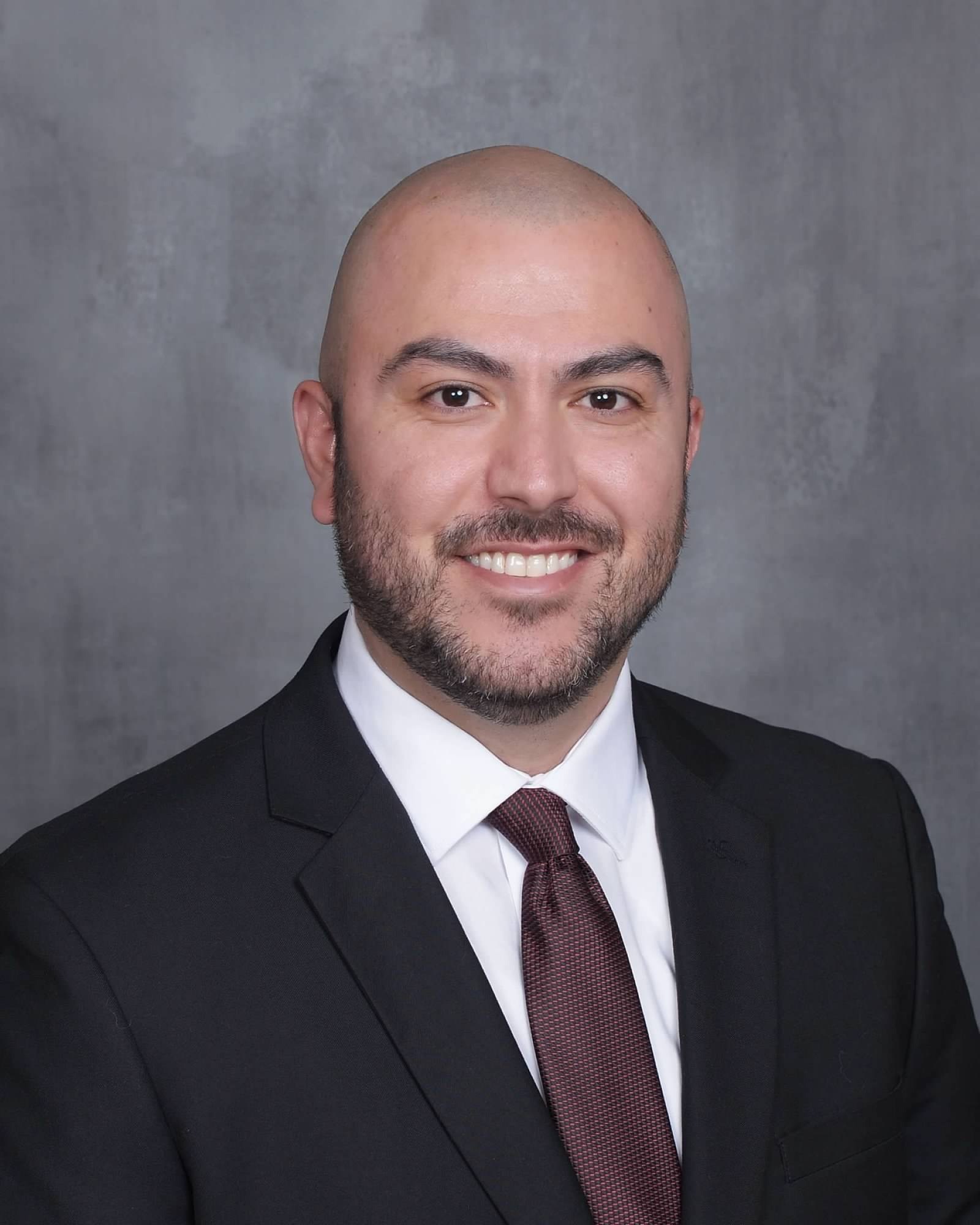
Sammy Khalil, QPFC
Financial Advisor · Wells Fargo Advisors
I've built my practice around a simple idea: most financial decisions aren't really about products. They're about tradeoffs people haven't had the chance to talk through with anyone.
Before becoming an advisor, I spent years working closely with business owners at the companies I worked for. That experience is what led me to this work, and it still shapes how I plan.
I work with individuals, families, and business owners across Orange County.
Verify my registration on FINRA BrokerCheck.
What happens next
Send the form
It takes under a minute. Only your name and phone are required.
I call at the time you picked
A short conversation to learn what you're looking for.
We review your plan together
You see your accounts by tax bucket and a suggested distribution order, with no obligation.
Start here
Get a complimentary retirement plan review
Will your savings last, and which accounts should you draw from first? I'll map your accounts into the three tax buckets and show a distribution order designed to help manage taxes. Leave your name and number to get started.
What you get
- ✓Your accounts organized into tax-deferred, tax-free, and taxable buckets
- ✓A suggested distribution order and what it could mean for your tax bracket
- ✓Social Security timing and income gaps to plan around
By submitting this request, you agree that the information you provide may be used by one of our associates from Wells Fargo Advisors to contact you about Wells Fargo Advisors' investment products and services. In addition, if you have other Wells Fargo products or services, you agree that Wells Fargo Advisors may share this information with those other Wells Fargo businesses or entities. Please review our privacy policy.
Questions Orange County retirees ask about retirement income
Tap a question to see the answer.
When should I start planning for retirement income?
Ideally 5 to 10 years before you retire. That leaves time to adjust savings, position investments, and plan tax moves, such as Roth conversions, before income starts.
How much can I take in retirement distributions each year?
There's no single answer. It depends on your spending, other income, investments, and how long your money needs to last. We help evaluate distribution strategies based on your individual circumstances rather than relying on a rule of thumb.
Which accounts should I take distributions from first?
It depends on your tax bracket each year. Many retirees blend distributions from tax-deferred, tax-free, and taxable accounts to avoid jumping into a higher bracket. A retirement plan review shows one possible order for your accounts.
Should I roll over my old 401(k)?
It depends. Rolling over can simplify your accounts and widen your investment choices, but leaving it in the plan may offer lower costs or other benefits. We'll compare both before you decide.
Should I do a Roth conversion before retirement?
It can be worth evaluating. A conversion moves money from a traditional IRA or 401(k) to a Roth, and you pay income tax on the amount converted. People often consider it in lower-income years, such as between retiring and claiming Social Security. Whether it makes sense depends on your current and future tax brackets, so we review it with your CPA.
Does California tax retirement income?
California doesn't tax Social Security benefits, but it does tax distributions from traditional IRAs and 401(k)s, pensions, and annuity income as ordinary income. That makes the order of your distributions especially important here.
When do required minimum distributions start?
Under current law, required minimum distributions from traditional IRAs and 401(k)s generally begin at age 73, or 75 if you were born in 1960 or later. They're taxed as ordinary income, so planning distributions in the years before they start can help manage your bracket.
Can my retirement income raise my Medicare premiums?
Yes. Medicare Part B and D premiums rise when income passes certain thresholds, based on your tax return from two years earlier. Large IRA distributions or Roth conversions can push you over a threshold, so we plan around them.
Are CDs a bad choice in retirement?
No. CDs offer stability and can play an important role. The risk is relying on them alone, since their income may not keep pace with inflation over a long retirement.
When should I claim Social Security?
It depends on your health, marital status, other income, and when you need the money. Claiming earlier means smaller payments, and waiting means larger ones. We'll weigh the options with your full plan in view.
Related services
Turn your savings into a retirement paycheck.
We'll look at your accounts together and map out which to draw from, when, and how to manage the taxes along the way.
Serving individuals and families throughout Orange County
See every Orange County city I serve
- Aliso Viejo
- Anaheim
- Brea
- Buena Park
- Costa Mesa
- Cypress
- Dana Point
- Fountain Valley
- Fullerton
- Garden Grove
- Huntington Beach
- Irvine
- La Habra
- La Palma
- Laguna Beach
- Laguna Hills
- Laguna Niguel
- Laguna Woods
- Lake Forest
- Los Alamitos
- Mission Viejo
- Newport Beach
- Orange
- Placentia
- Rancho Santa Margarita
- San Clemente
- San Juan Capistrano
- Santa Ana
- Seal Beach
- Stanton
- Tustin
- Villa Park
- Westminster
- Yorba Linda
Plus unincorporated communities including Coto de Caza, Ladera Ranch, Midway City, Rossmoor, and Trabuco Canyon.
Important information
This information is for general educational purposes only. It is not a recommendation or individualized investment, tax, or legal advice.
Tax information is general, based on current federal and California law, and subject to change.
A Roth conversion is a taxable event. Consult your tax advisor before converting.
Annuity guarantees are based on the claims-paying ability of the issuing insurance company. Annuities have fees, surrender charges, and limitations.
Medicare premium thresholds and required minimum distribution ages are set by law and may change.
Wells Fargo and Company and its Affiliates do not provide tax or legal advice. This communication cannot be relied upon to avoid tax penalties. Please consult your tax and legal advisors to determine how this information may apply to your own situation. Whether any planned tax result is realized by you depends on the specific facts of your own situation at the time your tax return is filed.
Before deciding whether to retain assets in an employer-sponsored plan or roll over to an IRA, an investor should consider various factors including, but not limited to: investment options, fees and expenses, services, withdrawal penalties, protection from creditors and legal judgments, required minimum distributions and possession of employer stock.
Initial reviews and consultations are offered at no cost and with no obligation. If you decide to open an account or use advisory services, applicable fees and expenses will be explained to you in advance.
The Qualified Plan Financial Consultant (QPFC) credential is awarded by the National Association of Plan Advisors (NAPA) and requires passing a proctored exam, agreeing to NAPA's Code of Professional Conduct, and completing annual continuing education. Holding the QPFC does not by itself make an advisor a fiduciary to a retirement plan. Whether Wells Fargo Advisors serves a plan in a fiduciary capacity depends on the services and agreement selected.
Links to third-party websites are provided for your convenience. Wells Fargo Advisors is not responsible for the content of those websites.